
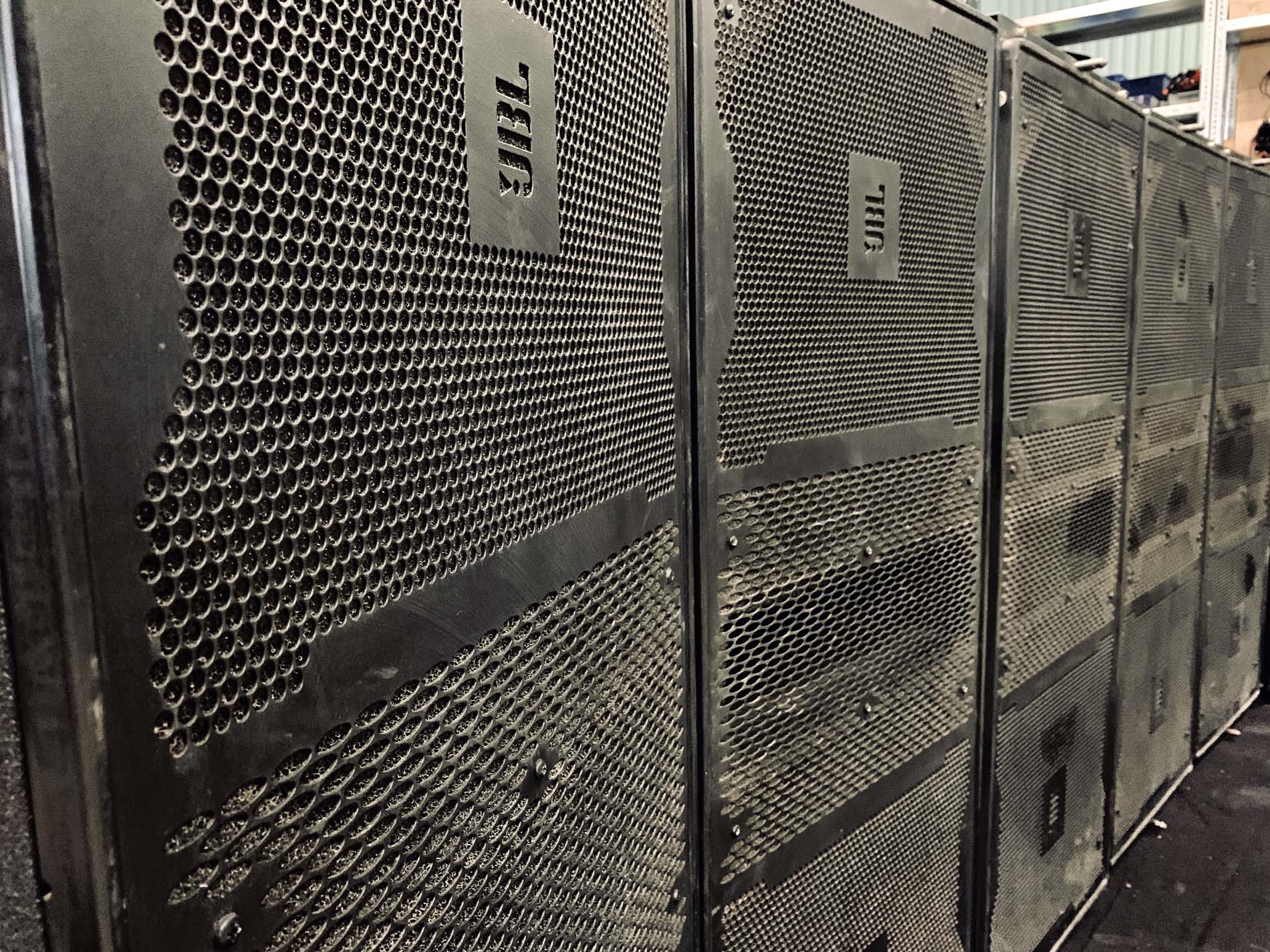
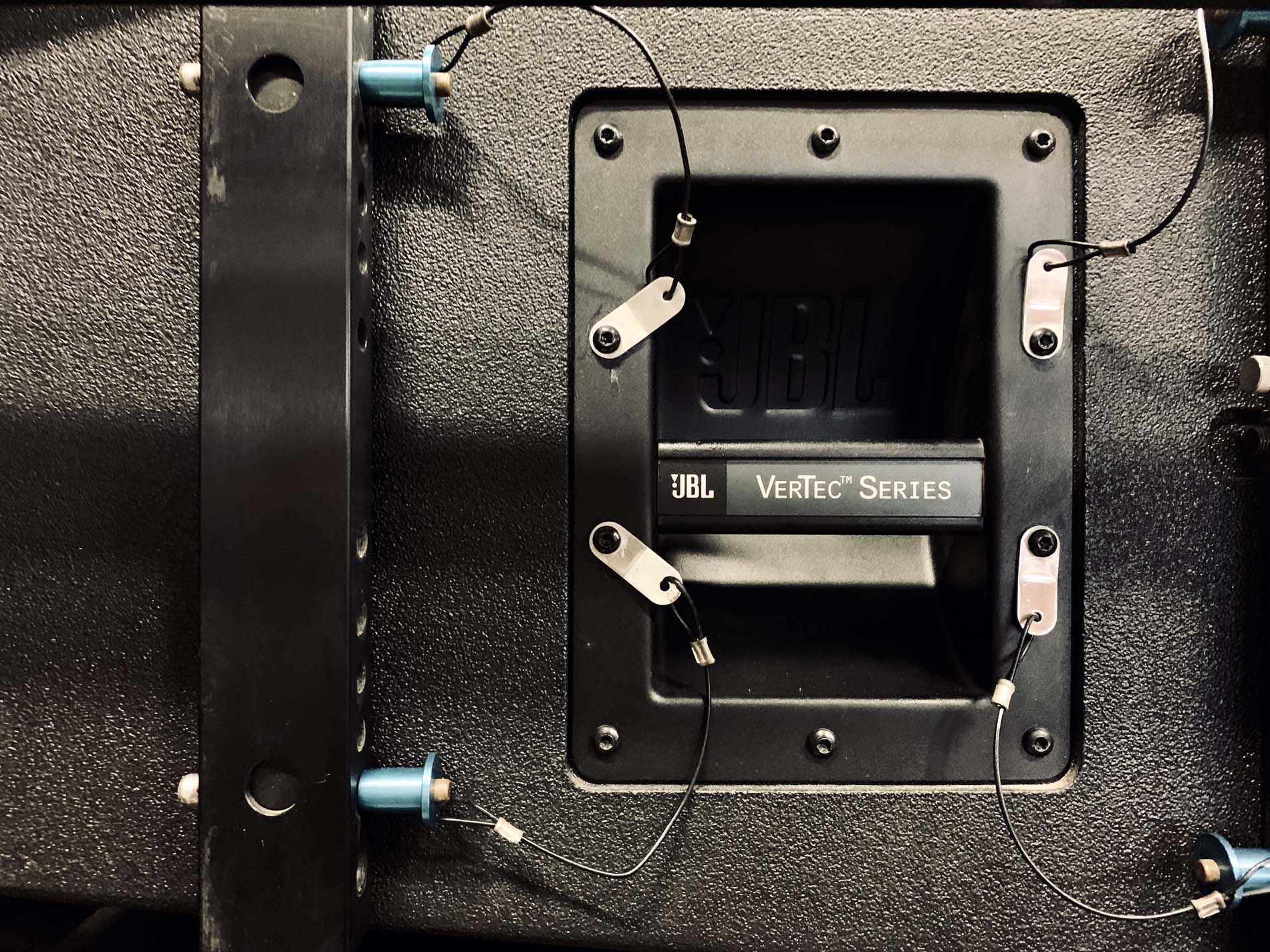
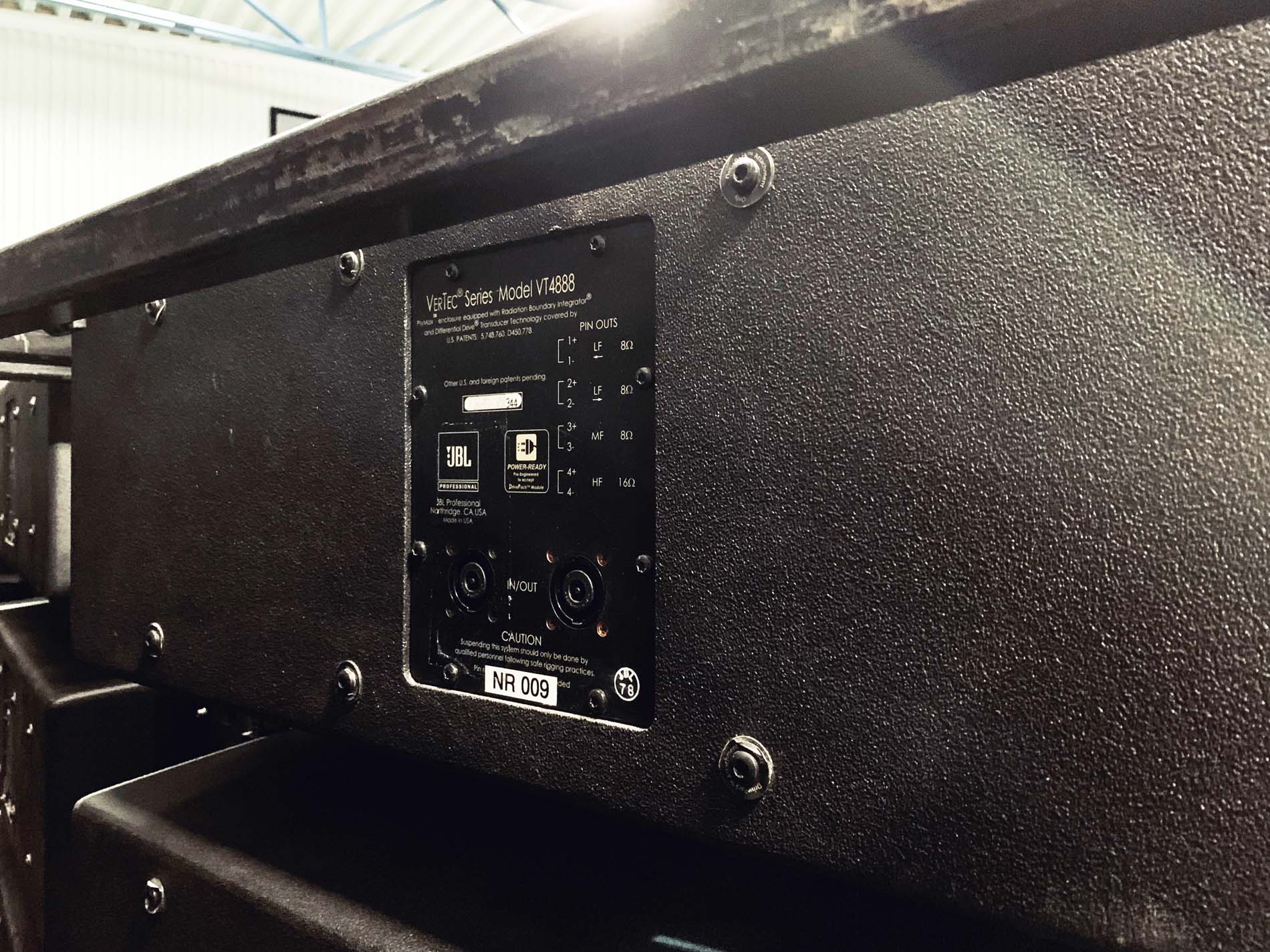
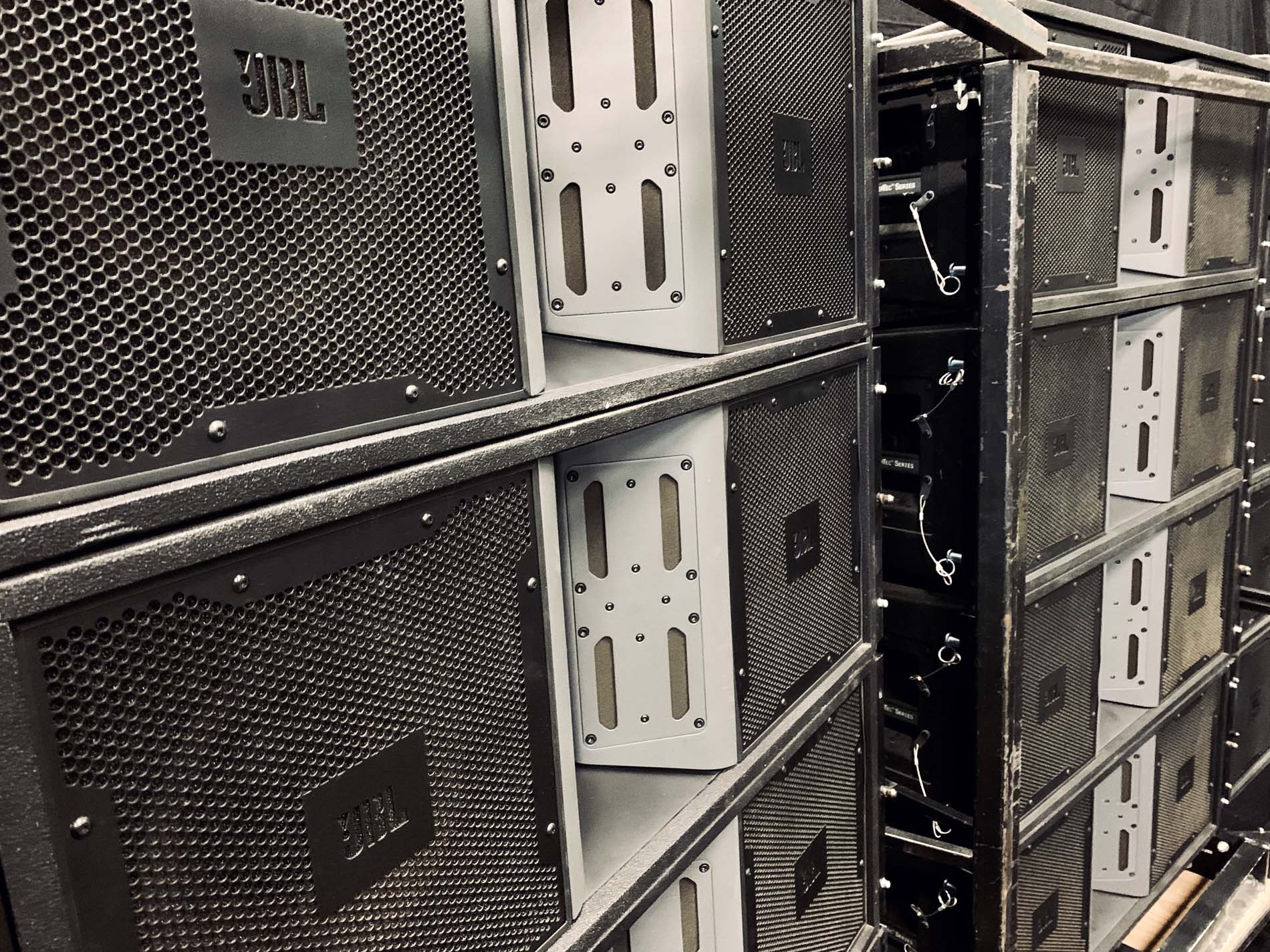
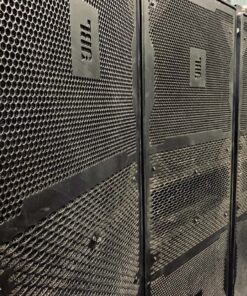
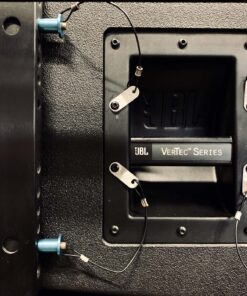
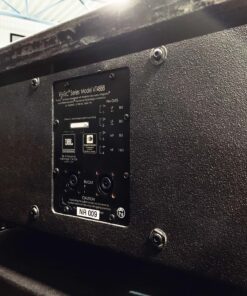
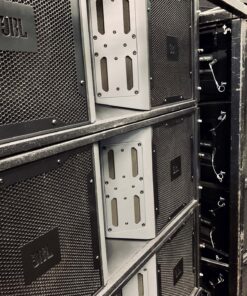
JBL Vertec 4888/4880 Line Array System
Original price was: €47,000.00.€23,000.00Current price is: €23,000.00.
Description
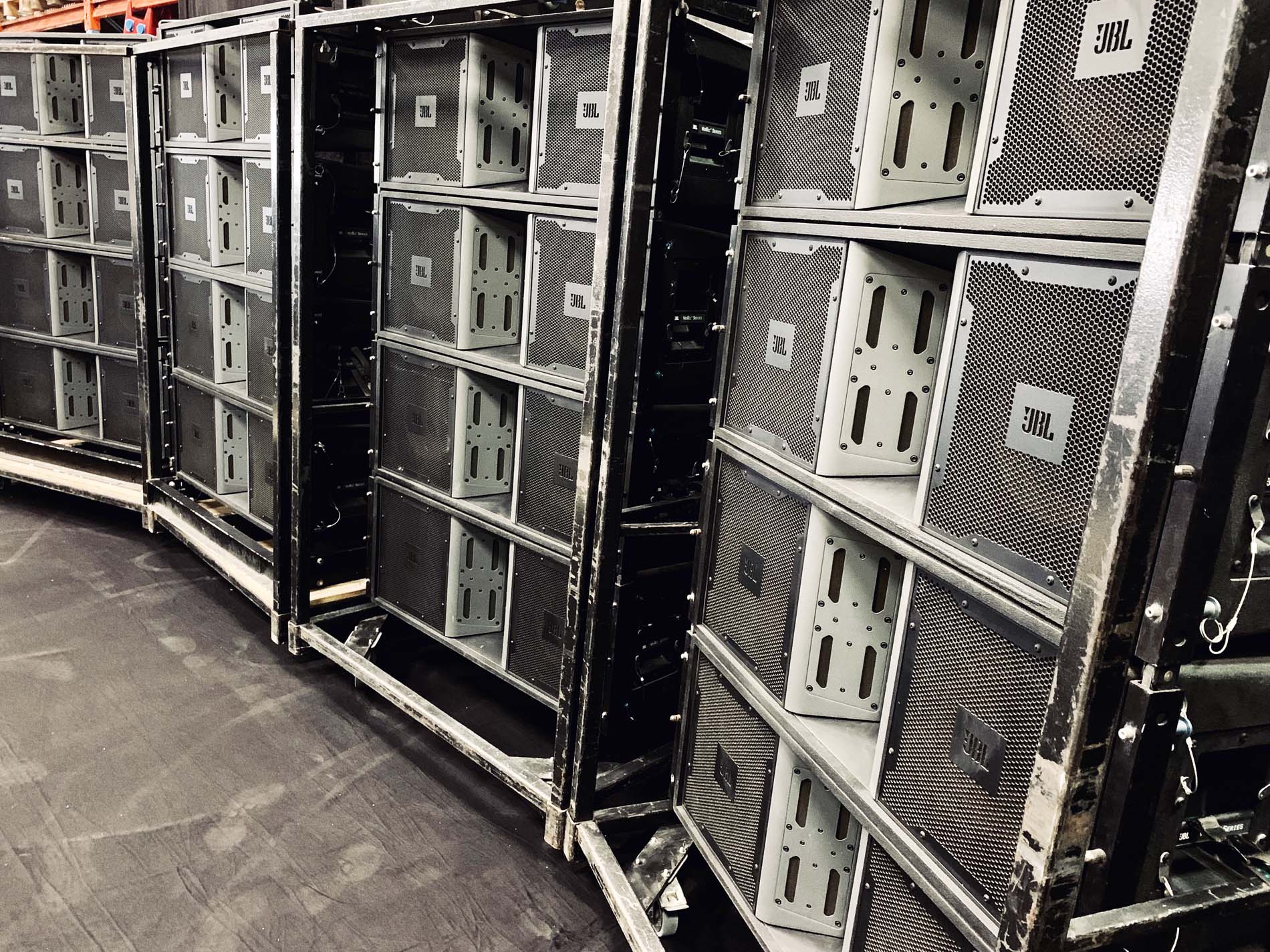
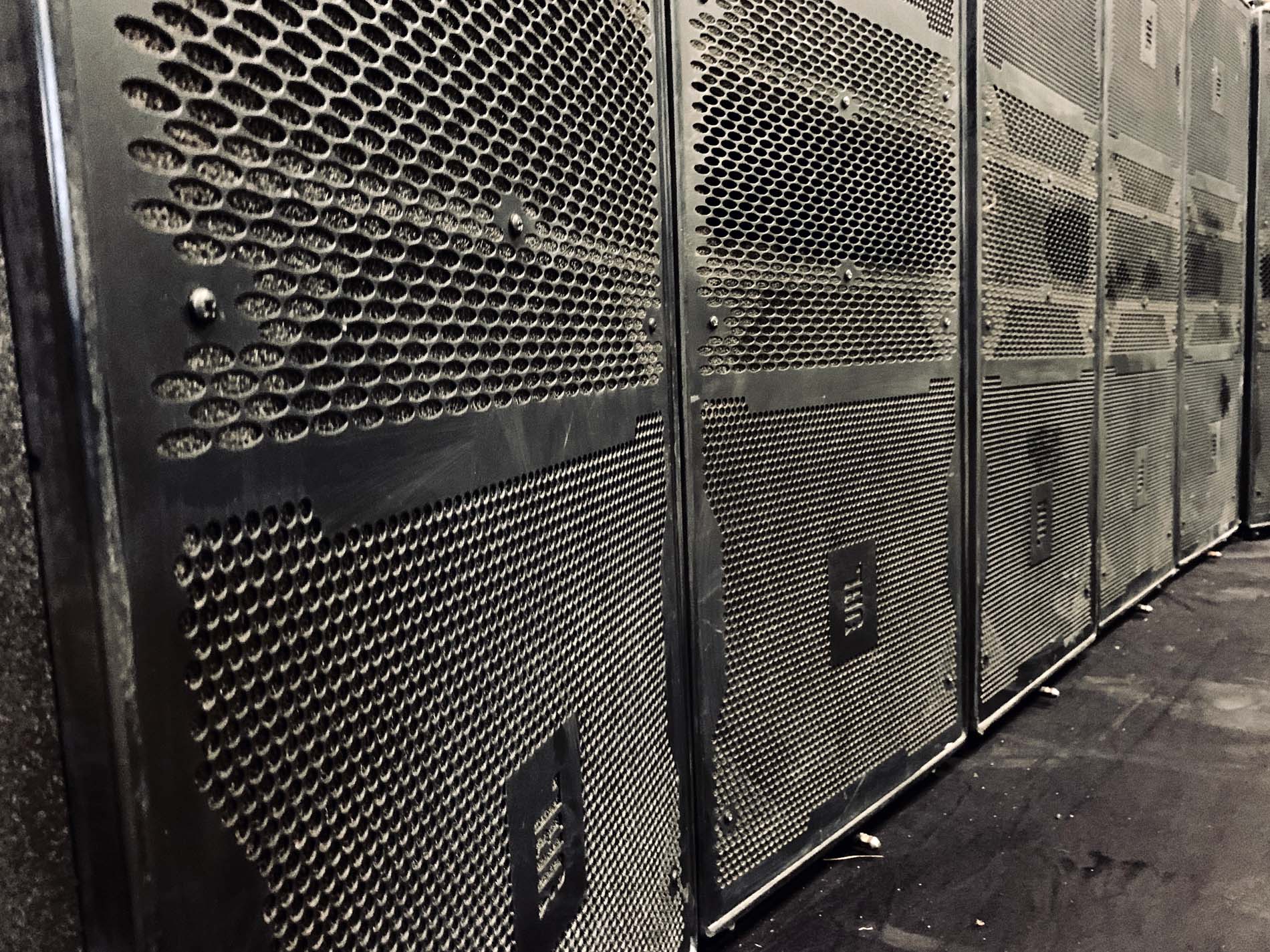
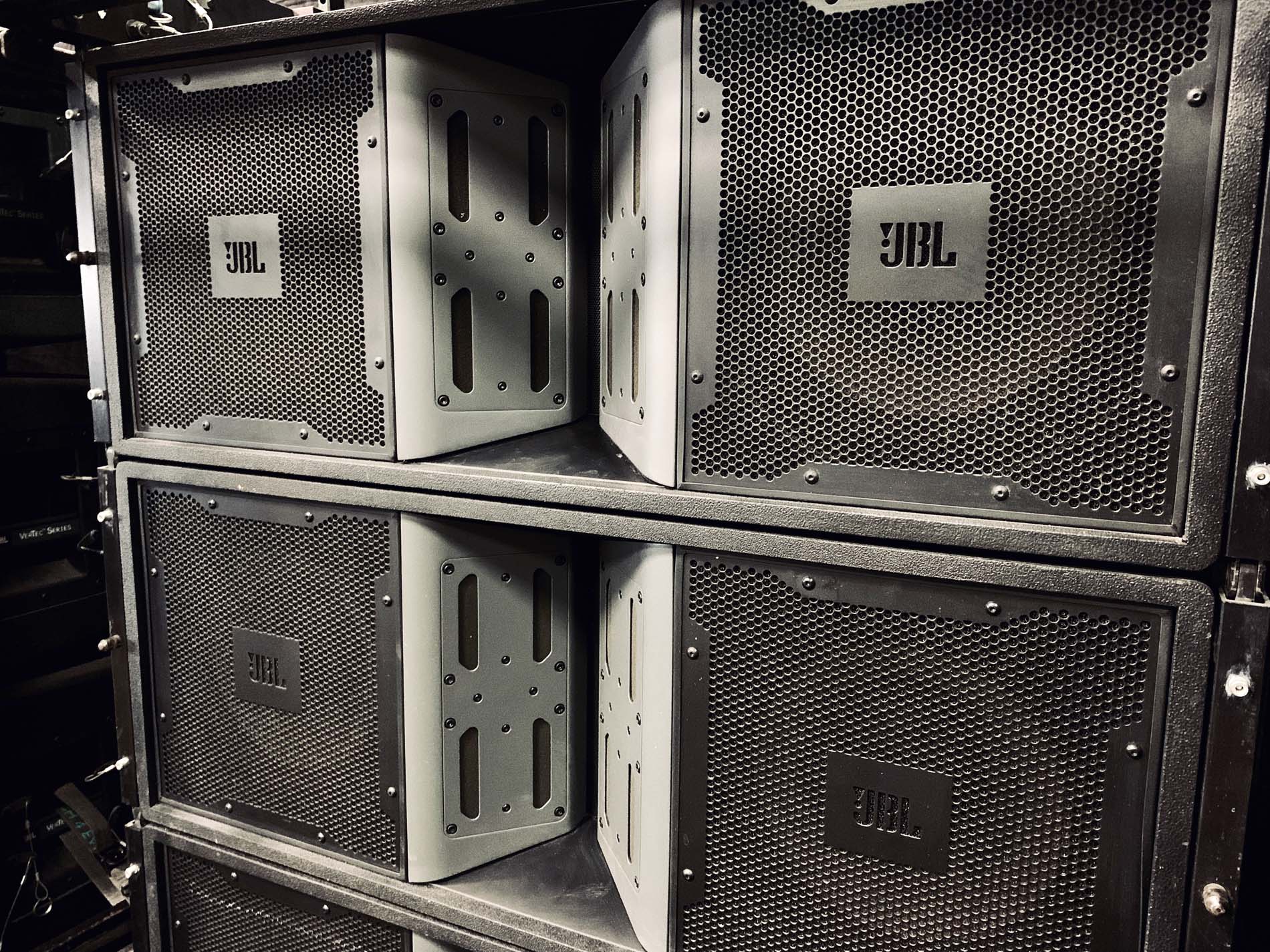
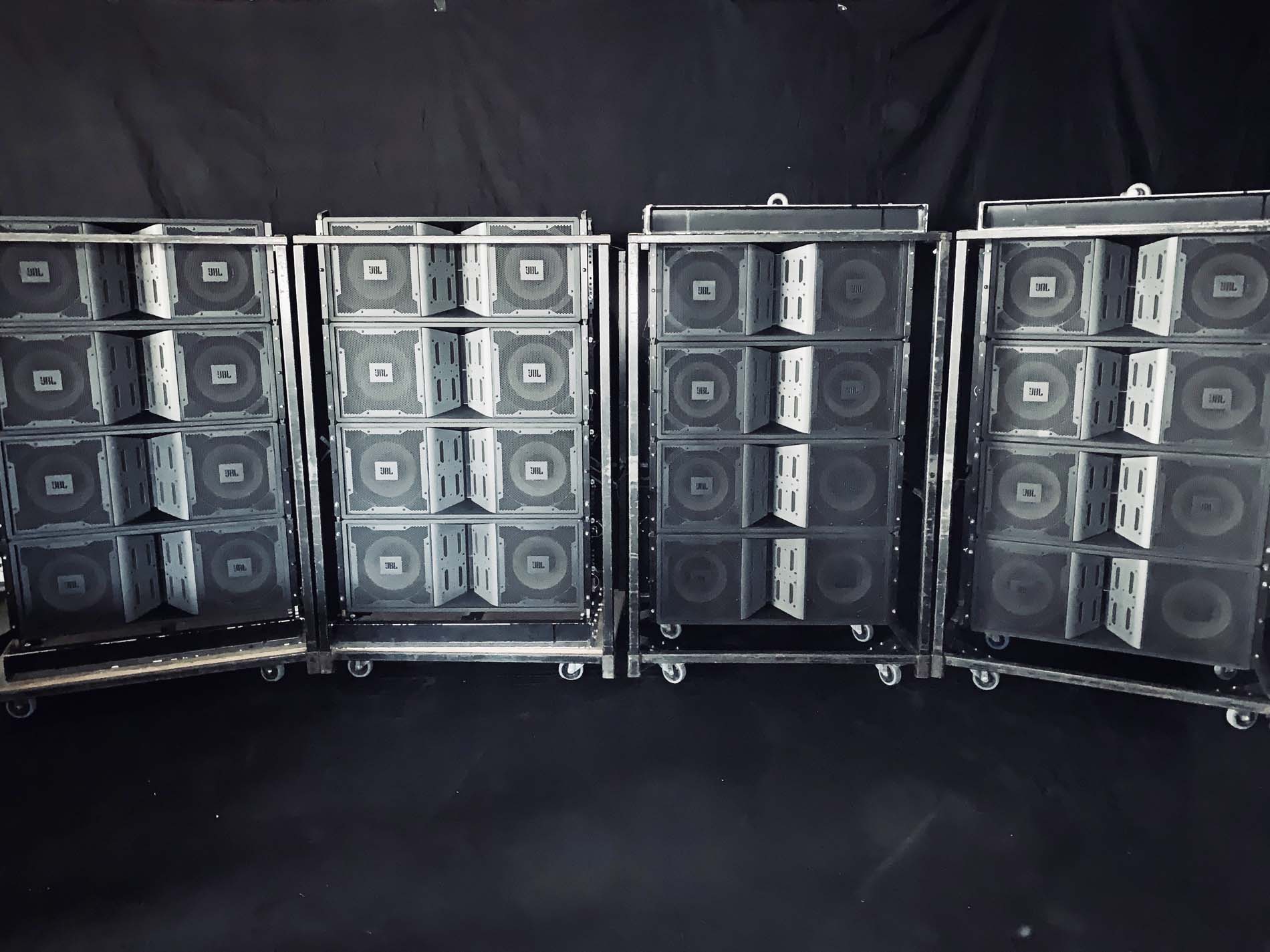
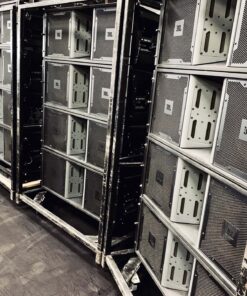
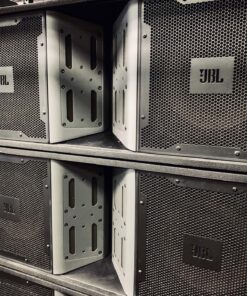
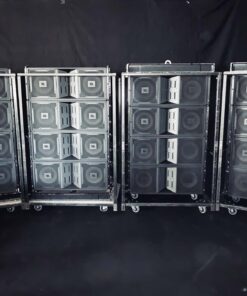
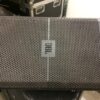
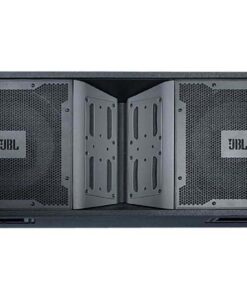
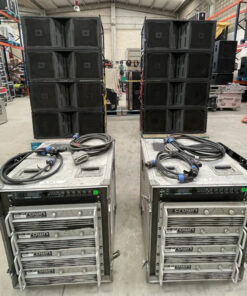
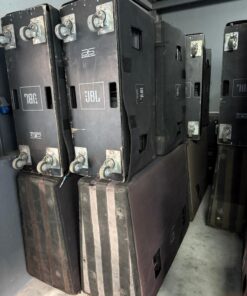
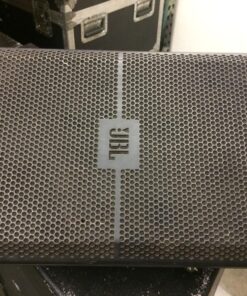
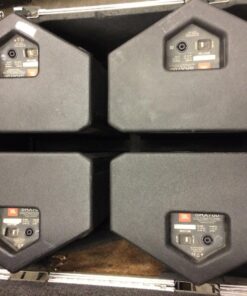
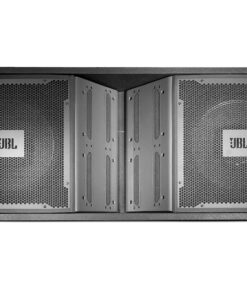
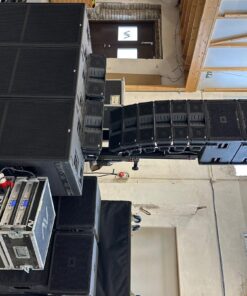
16x Vertec 4888 in wheel rack of four. Including 4xVertec shortframe.
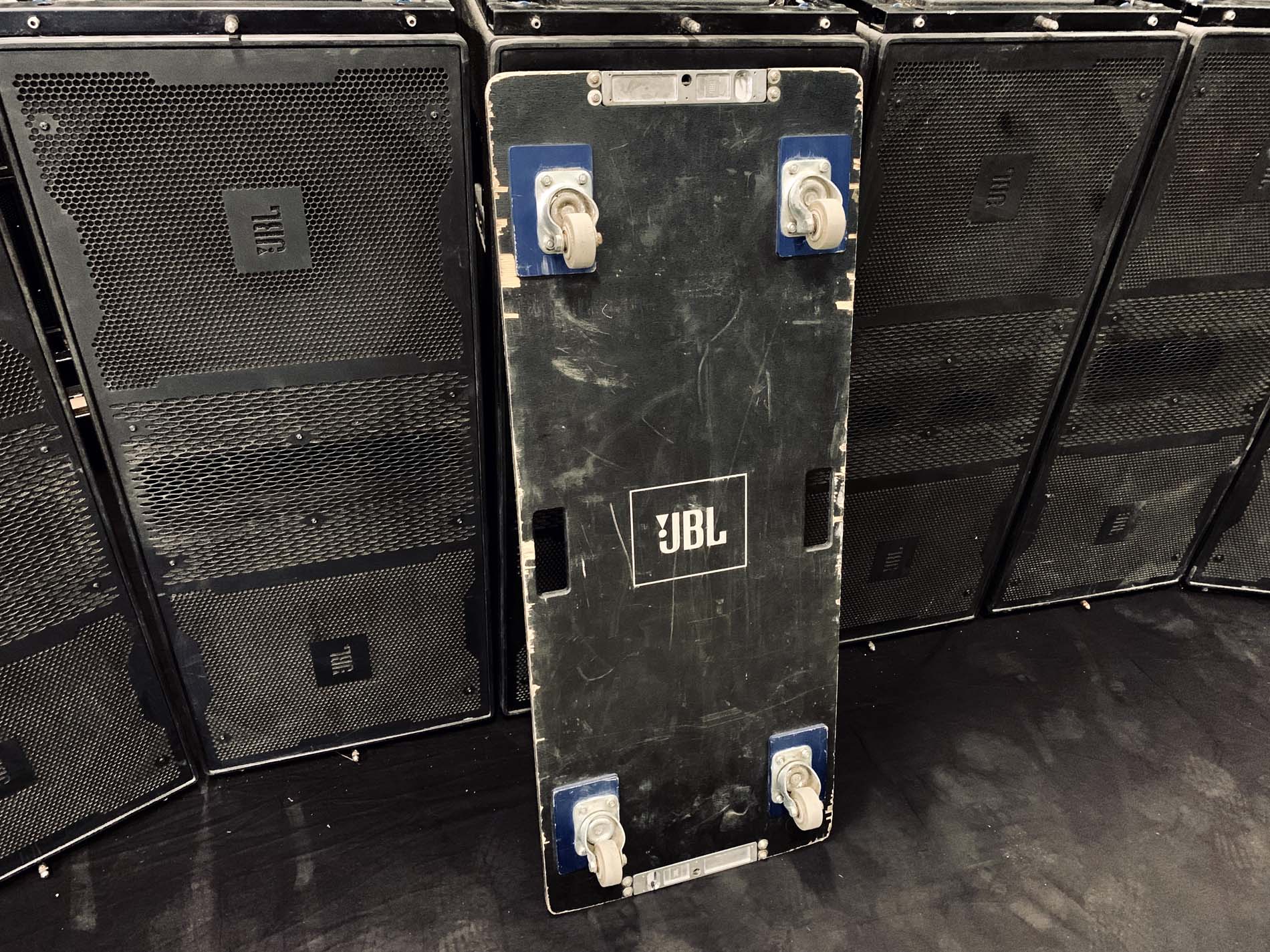
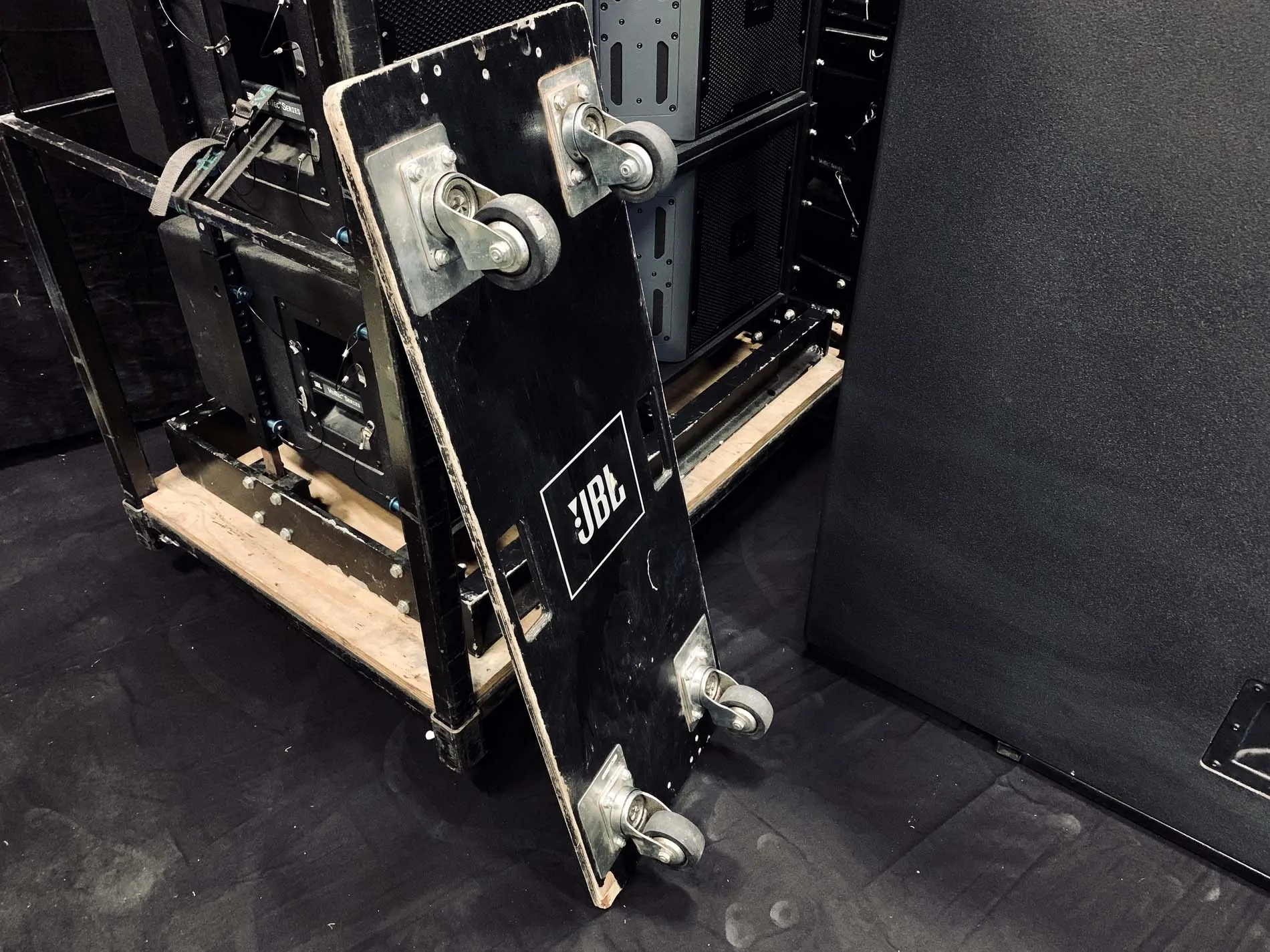
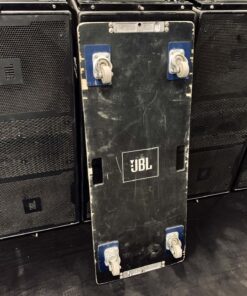
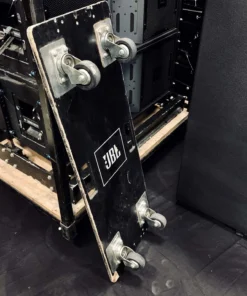
16x Wheelboards and soft covers for 4888.
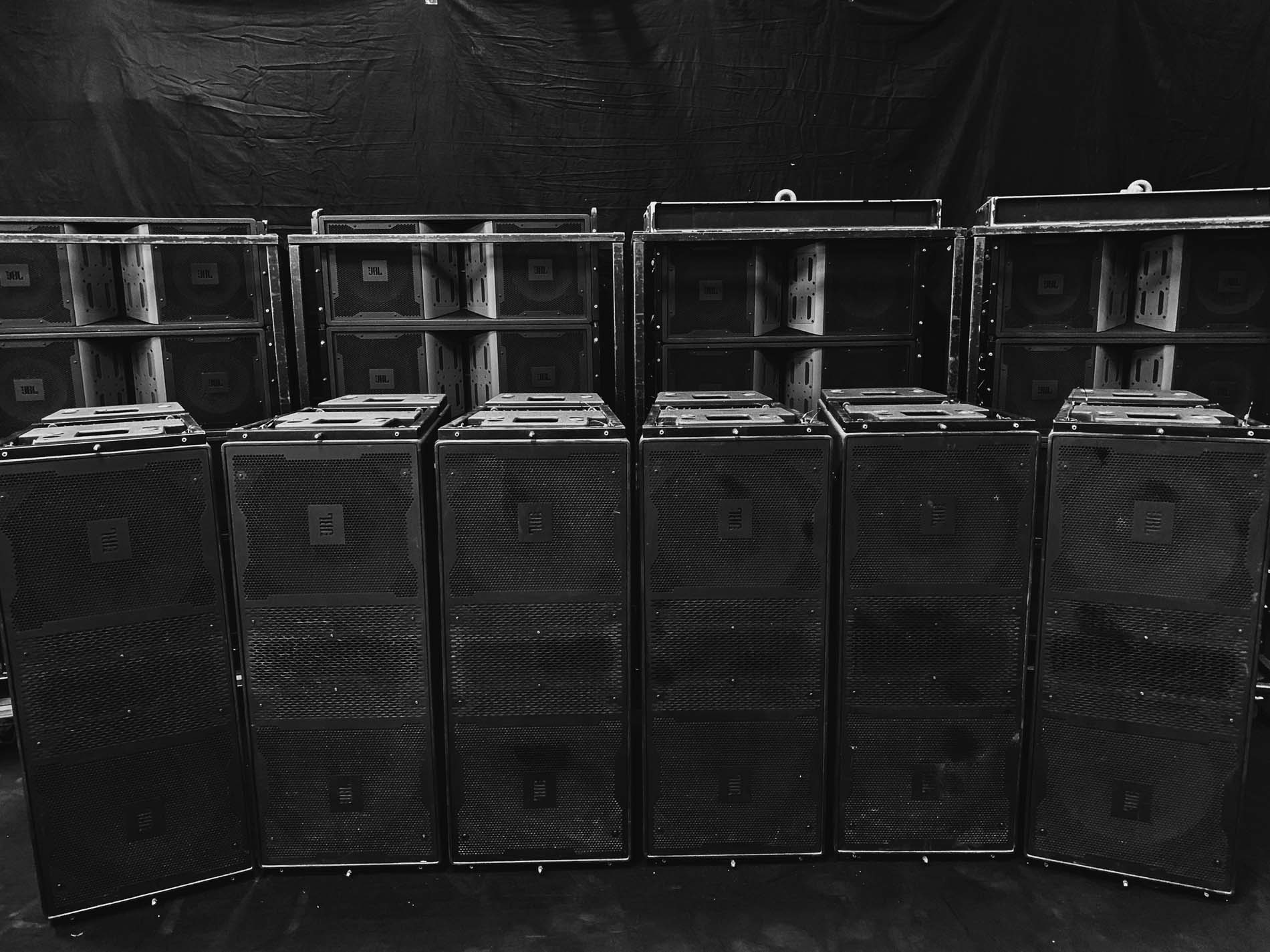
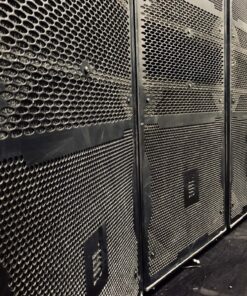
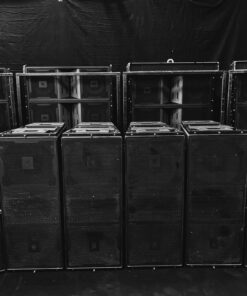
6x Vertec 4880 2×18” subwoofers.
6x Wheelboards and soft covers for 4880.
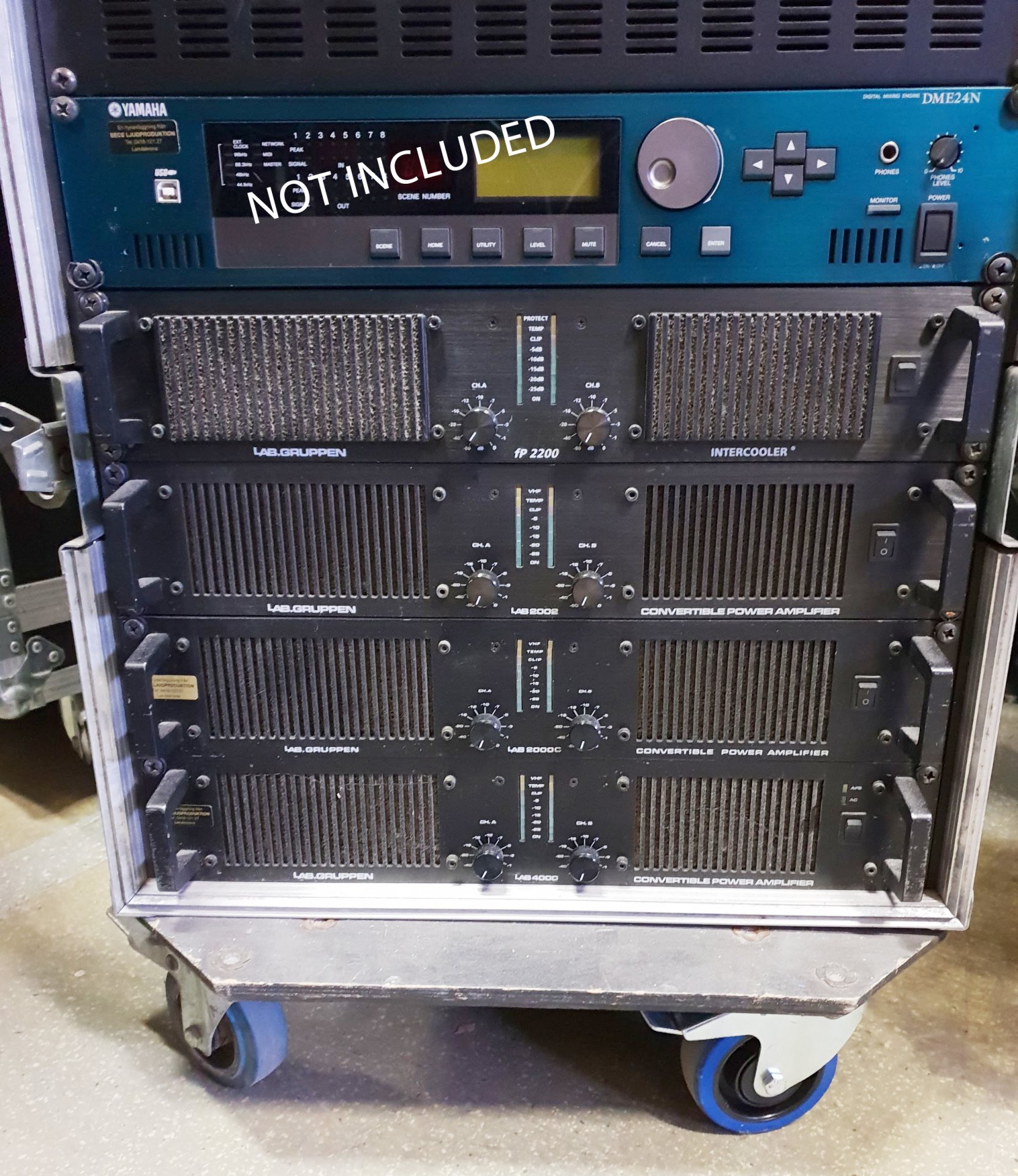
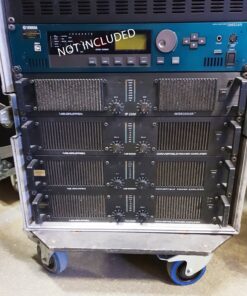
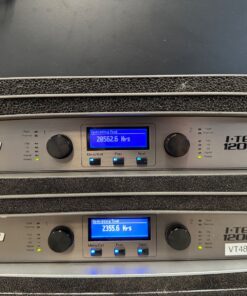
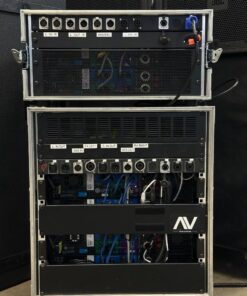
2x Amp racks with 1x LAB fp2200, 1x LAB 2002, 1x LAB 2000C and 1x LAB 4000.
2x Amp racks with 1x LAB fp2200, 1x LAB 2002 and 1x LAB 6400.
1x DBX4800 DriveRack Speaker Processor.
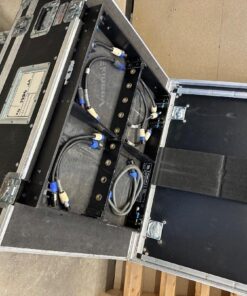
Speakon cabling included.
The cabinets can be sold separately without amp racks, contact us.
What is the VT‑4888 / VT‑4880 system
-
The VT‑4888 is a midsize, tri‑amplified 3‑way full‑range line array element.
-
The VT‑4880 is a dual‑18″ subwoofer line array element, used for the low frequencies (bass / sub part of the system)Together, these are part of JBL’s “VerTec” family, intended for concert / pro‑audio / large live sound / permanent installs. Note: These models are discontinued / legacy, so you’ll typically see used or refurbished units in the marketplace.
Key Specifications & Features
Here are some important numbers & capabilities to know. Always check the specific serial / revision you have, because some specs (especially power, driver versions) can vary slightly.
| Parameter | VT‑4888 (Full‑range) | VT‑4880 (Subwoofer) |
|---|---|---|
| Frequency range (‑10 dB) | ~ 48 Hz to 18 kHz | ~ 26 Hz to 160 Hz |
| Frequency response (±3 dB) | ~ 60 Hz to 16 kHz | ~ 29 Hz to 120 Hz |
| Power handling / ratings | 2000 W continuous (LF section), 600 W MF, 150 W HF | 2000 W continuous, 8000 W peak (AES / 2 hr) |
| Maximum SPL / output | Up to ~ 146 dB (depending on configuration) | ~ 143 dB (in certain setups) |
| Coverage / dispersion | Horizontal: ~ 90° (250 Hz – 16 kHz) Vertical: depends on the stack/array configuration (i.e. number of units, angles) |
The VT‑4880 is designed for sub arrays (less about controlled vertical pattern in mid / high) |
| Drivers / Transducers | 2 × 12″ woofers, 4 × 5.5″ midrange, 2 × HF compression drivers | 2 × 18″ woofers, with dual voice coil, neodymium, direct‑cooled design |
| Impedance / wiring | Nominal: 8 Ω (LF / MF) and 16 Ω (HF) | Each 18″ transducer: 8 Ω nominal |
| Enclosure / form factor | Rugged, relatively lightweight for its capability, designed for array suspension (S.A.F.E. rigging) | Designed for line‑array sub applications; the cabinet is rugged, weatherized, with integrated rigging & stacking capability |
Other features / technologies:
-
Differential Drive® / Direct Cooled: For better thermal management and efficiency.
-
Radiation Boundary Integrator® (RBI): Helps smooth integration between different frequency bands in the line array elements.
-
The systems were built to accept optional DrivePack® electronics (i.e. self‑powered or hybrid versions) via rear mechanical / wiring provisions.
Strengths, Considerations & Practical Notes
Strengths / Pros
-
Solid, proven for pro audio use: many existing users still rely on the 4888s, especially when configured with proper DSP and presets Stage Electronic
-
Good frequency coverage in full-range mode, with the sub system handling deep bass.
-
The modular nature (you can combine elements in a vertical array, stack, hang, etc.) gives flexibility.
-
Because the VT‑4888 is tri-amplified, you can optimize each band (LF / MF / HF) separately if your electronics / DSP allow it.
-
The rigging and suspension hardware are built in, making deployment (hanging arrays, etc.) more straightforward.
Challenges / Considerations / Limitations
-
Because these are older / legacy models, spare parts (drivers, rigging parts, crossover boards, etc.) may be harder to find or more expensive.
-
The performance (especially in modern standards) may lag newer line array models in terms of output per box, weight, or efficiency.
-
Matching / tuning is essential. These systems rely heavily on proper DSP / presets. Improper processing, crossover settings, or mismatched amplifier channels can degrade performance.
-
The vertical coverage / dispersion strongly depends on how many units are stacked and their angles, so careful design is needed to avoid “holes” or excessive overlap.
-
Power demands are significant, especially for the subwoofers. You’ll need robust amplification and proper bridged or parallel wiring depending on your setup.
An example user comment:
“With the V5 presets, the 4888s sound really good … we’ll see the non-powered boxes around for a long time as they play nice.” Reddit
This suggests that when configured properly (with matching presets, DSP etc.), they can still produce very respectable results.
How to Use / Deploy in a System
If you were putting together a sound reinforcement rig using VT‑4888 + VT‑4880 elements, here’s a rough plan / tips:
-
Array design / coverage planning
-
Determine the listening area (distance, width, height).
-
Based on vertical coverage angle, decide how many VT‑4888 elements and their inter‑element angles to cover from front to back without gaps or too much overlap.
-
Use sub arrays (VT‑4880) either flown or ground stacked in array configuration, depending on how much low-end coverage you need.
-
-
Amplification / power routing / wiring
-
Because VT‑4888 is tri‑amp, you’ll need to route LF, MF, HF bands separately to appropriate amplifier channels or modules.
-
Ensure each driver band is driven within its safe power limits.
-
For VT‑4880, you’ll likely drive each 18″ driver (or pair) separately or in parallel, depending on your amplifier architecture.
-
-
Signal processing / DSP / crossover / EQ
-
Use a good digital processor (e.g. dbx DriveRack, BSS Soundweb, or a modern equivalent) to set crossovers, time alignment, delay, EQ, and limiting.
-
Use the JBL / VerTec recommended presets or those specifically created for your configuration (number of boxes, array angles, etc.).
-
Perform measurement (e.g. with measurement mic + FFT software) to fine-tune the system in situ.
-
-
Rigging / mechanical safety
-
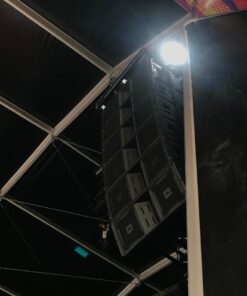
Use the built-in S.A.F.E. suspension / rigging hardware properly.
-
Check load ratings, safety factors, pins, lanyards, etc.
-
Make sure that when arrays are flown, the mechanical load, center of gravity, and wind/structural considerations are respected.
-
-
Maintenance / spares
-
Keep spare drivers (woofers, mids, tweets) if possible.
-
Inspect rigging hardware regularly (pins, hinges, frames)
-
If possible, mark / document your routing, wiring color codes, etc.
-
If you like, I can help you design a complete system (how many VT‑4888s, how many VT‑4880s, what amps / DSP) for your venue or target sizes (e.g. concerts, halls, outdoor events) using these units (or suggest more modern alternatives). Do you want me to do that for your setup?
Be the first to review “JBL Vertec 4888/4880 Line Array System”
Related products

Reviews
There are no reviews yet.