
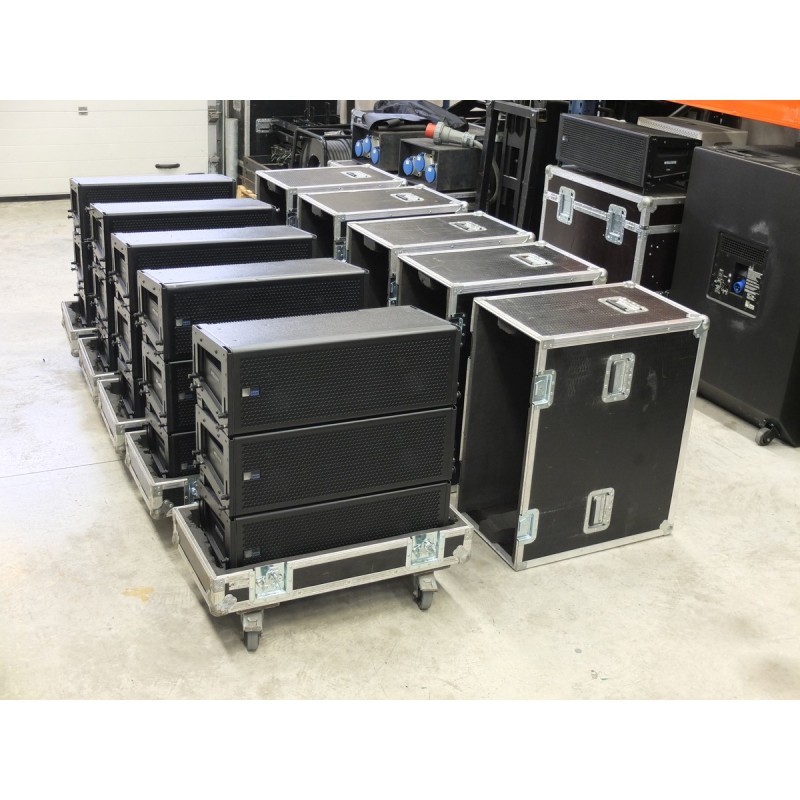
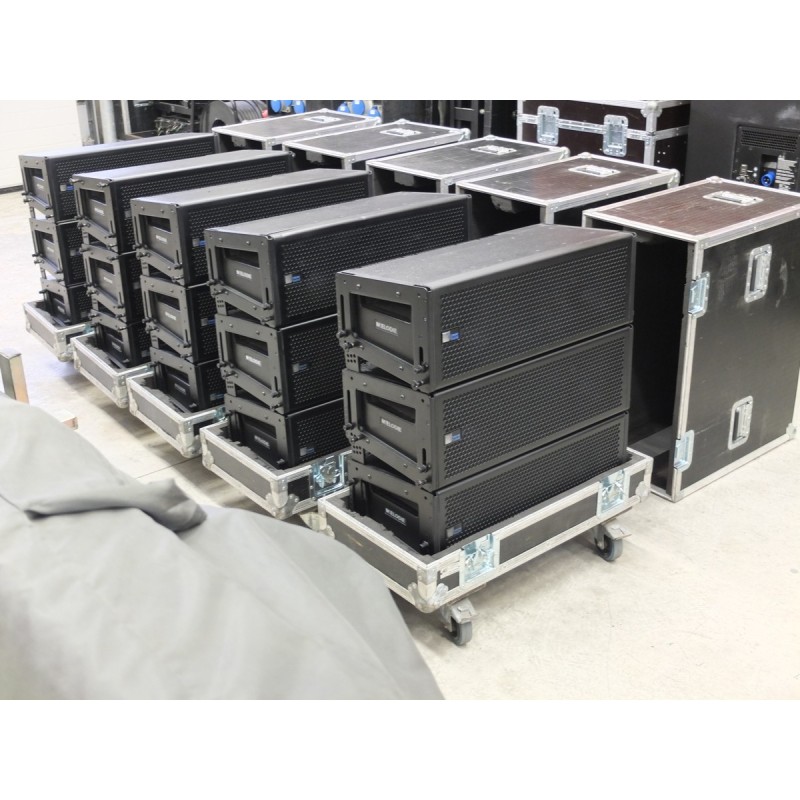
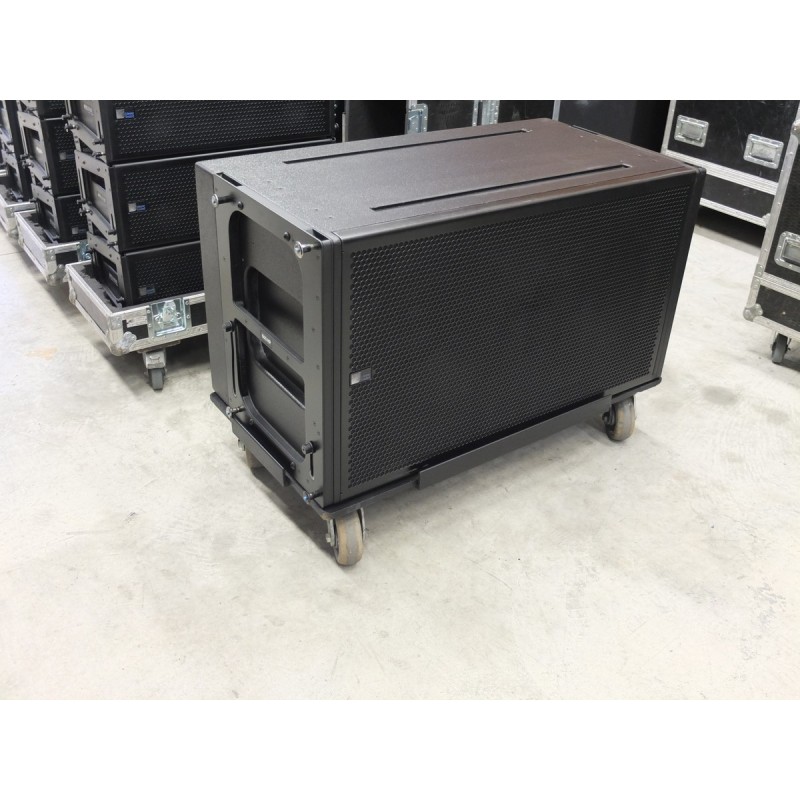
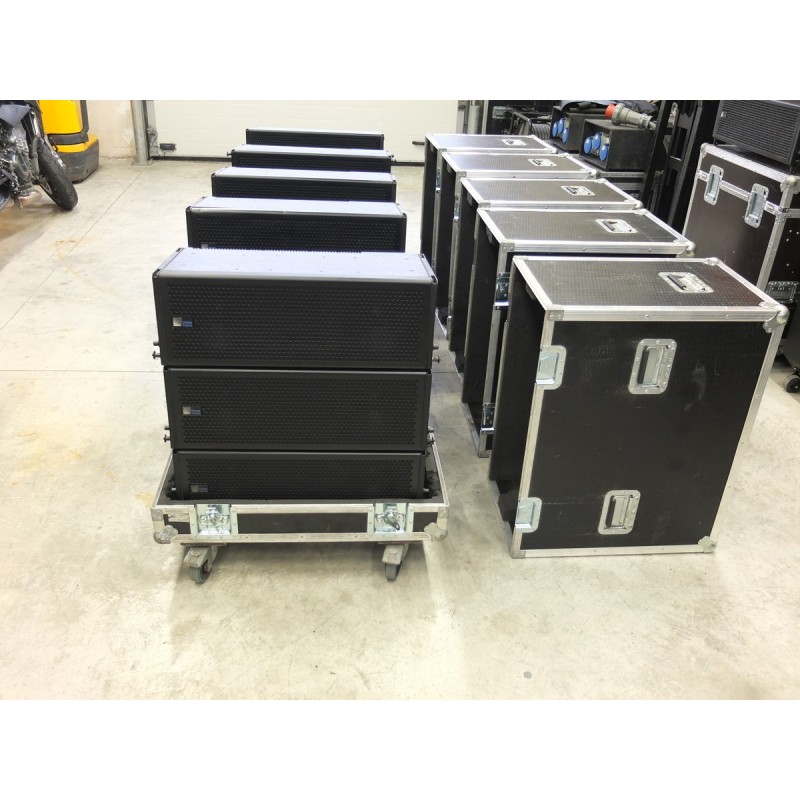
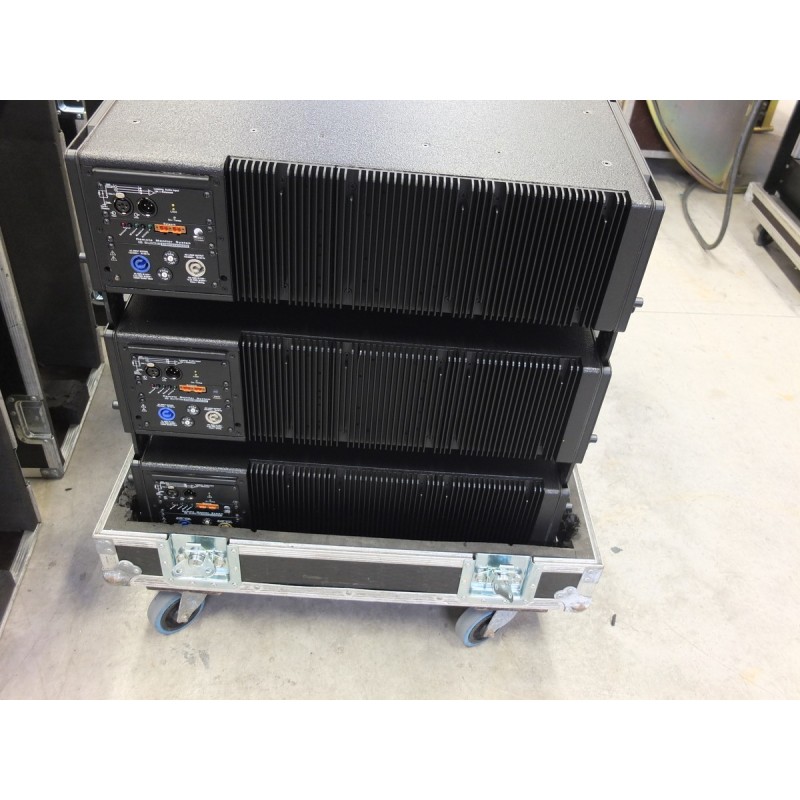
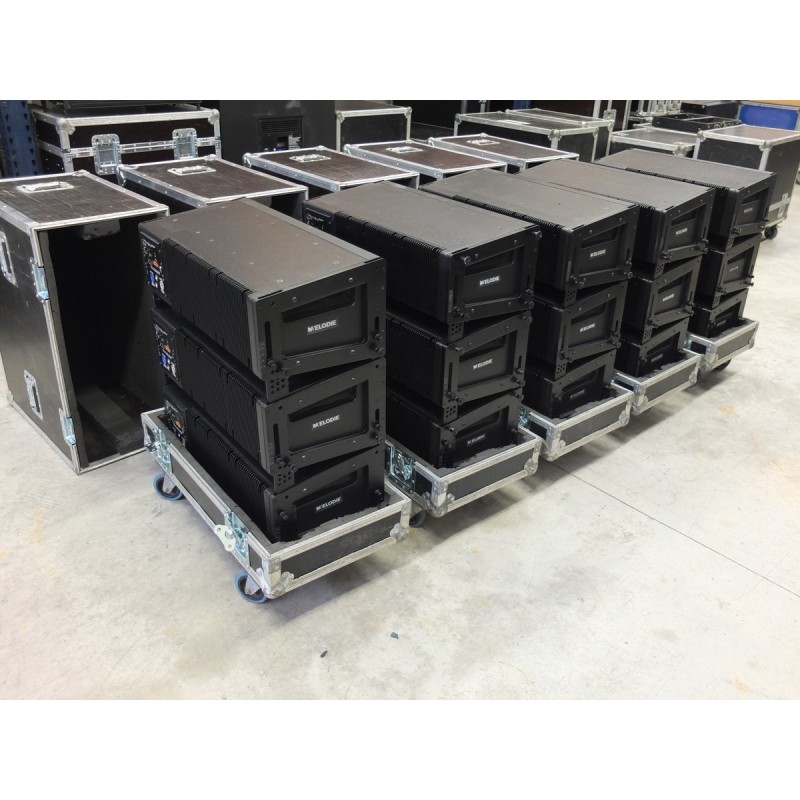
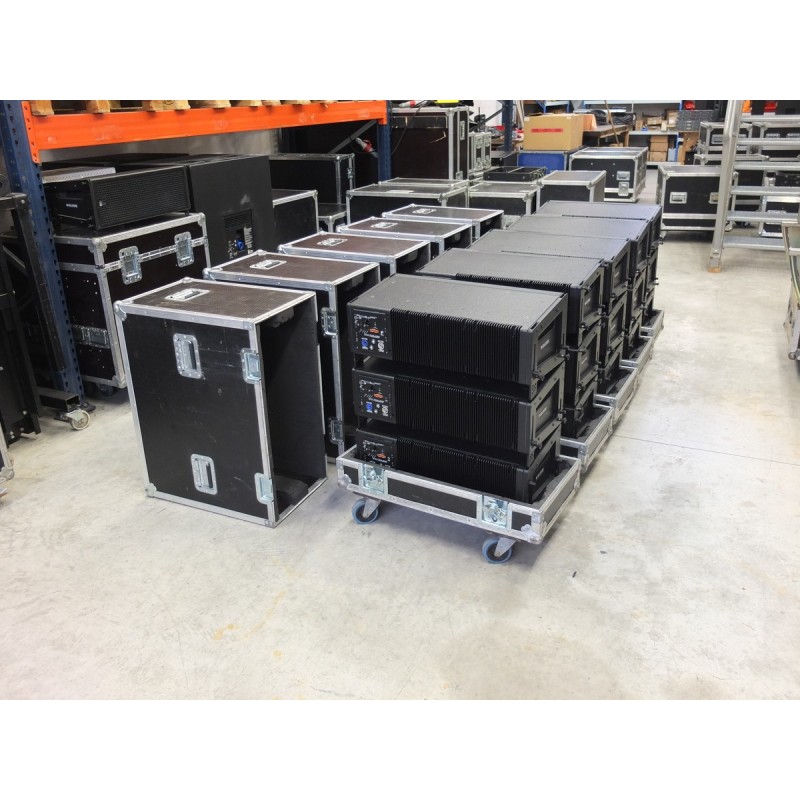
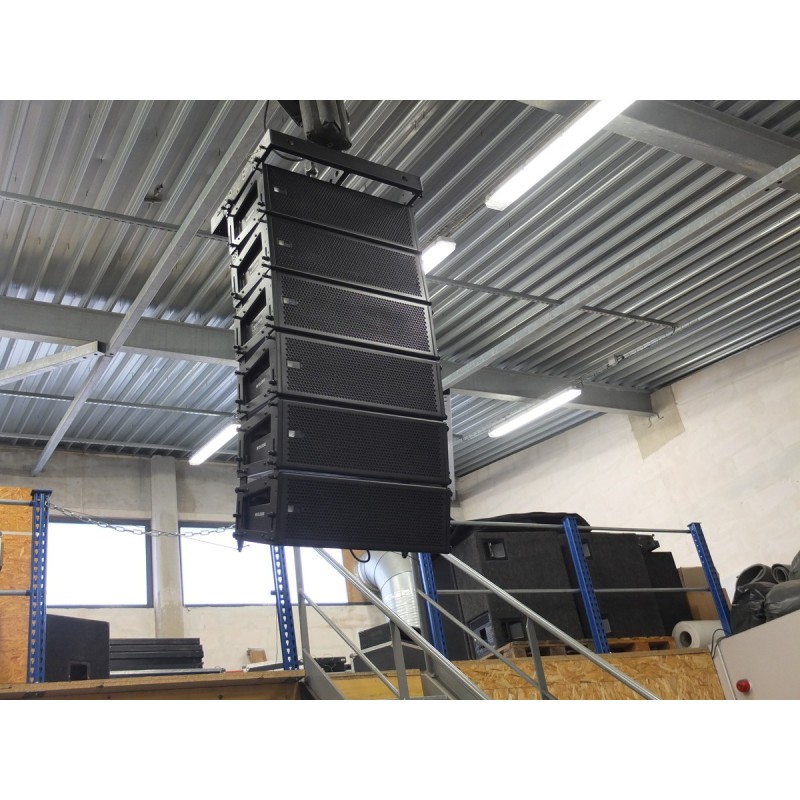
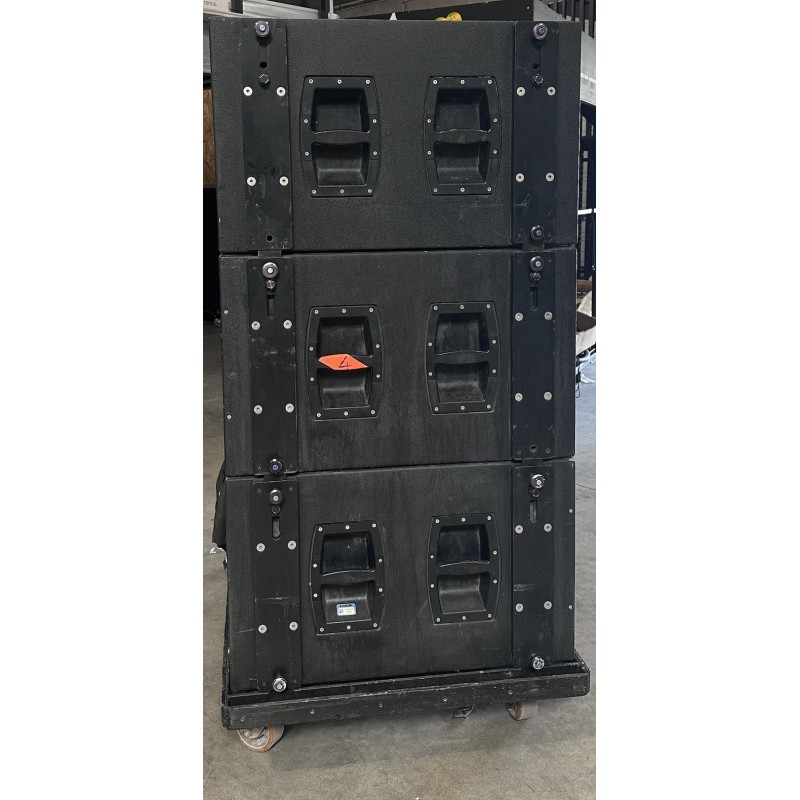
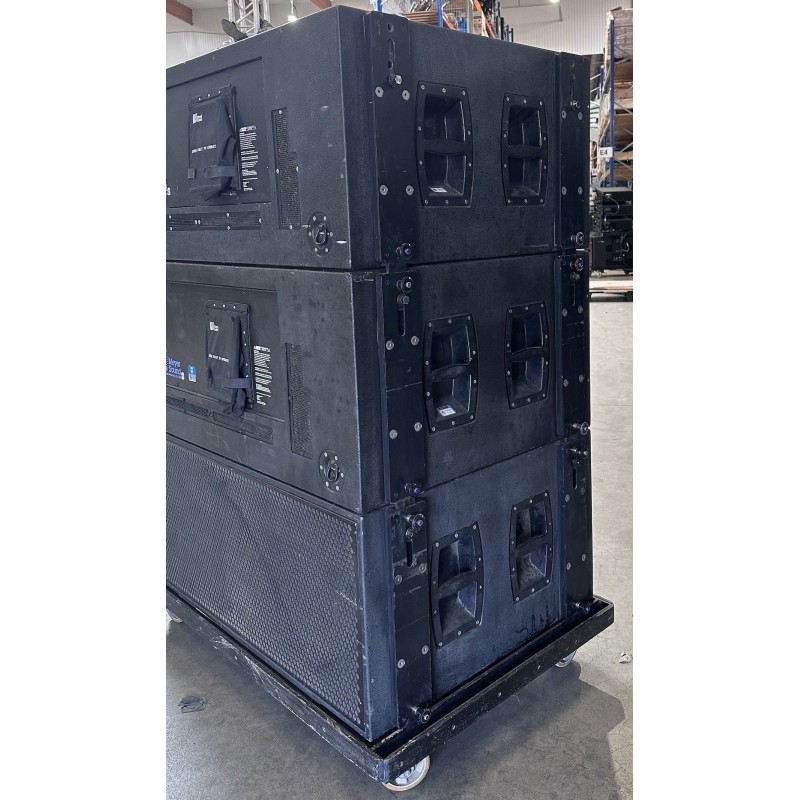
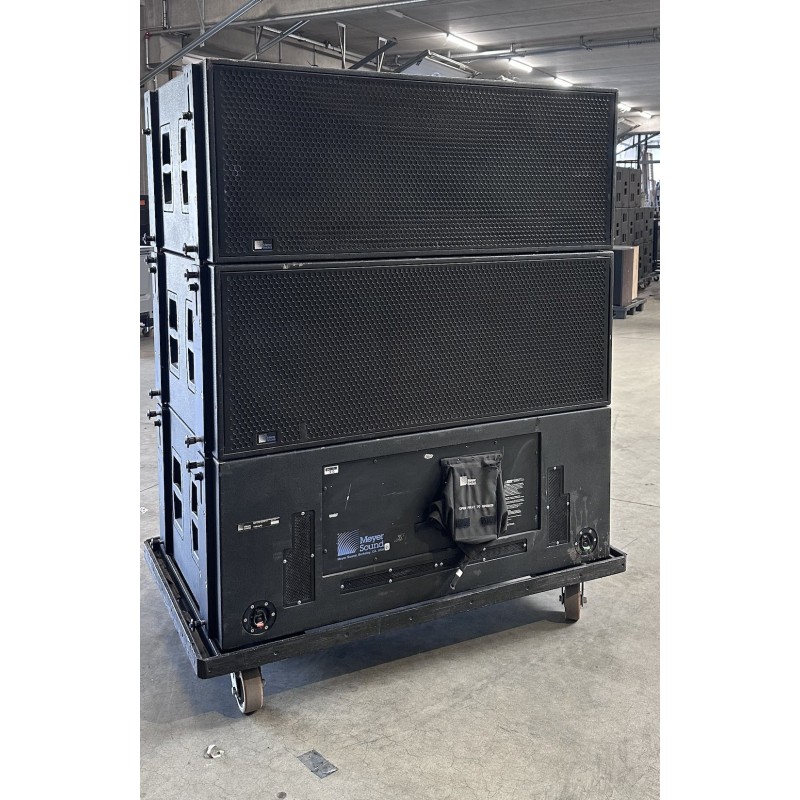
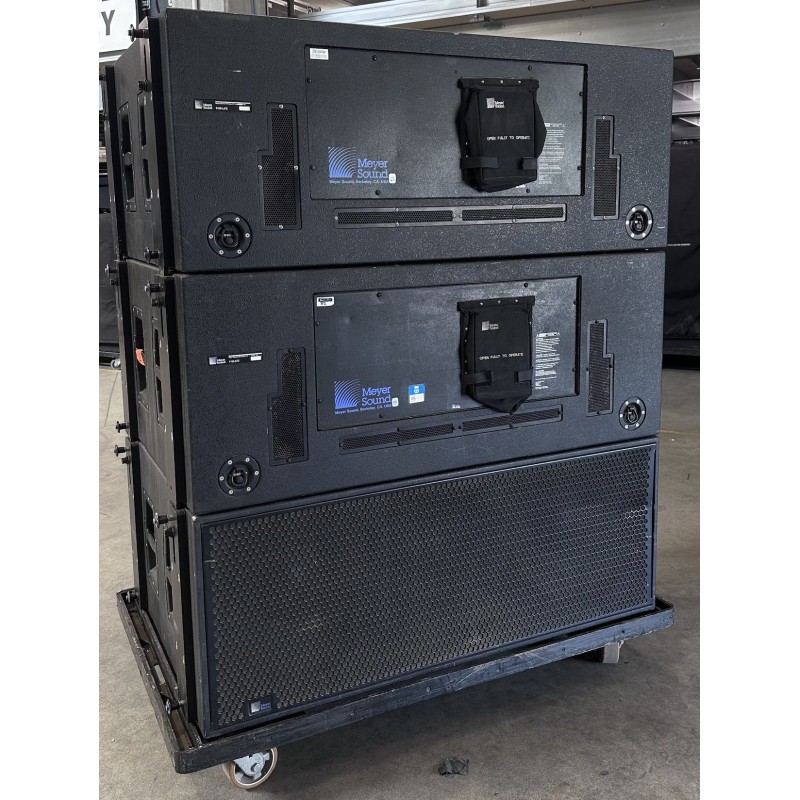
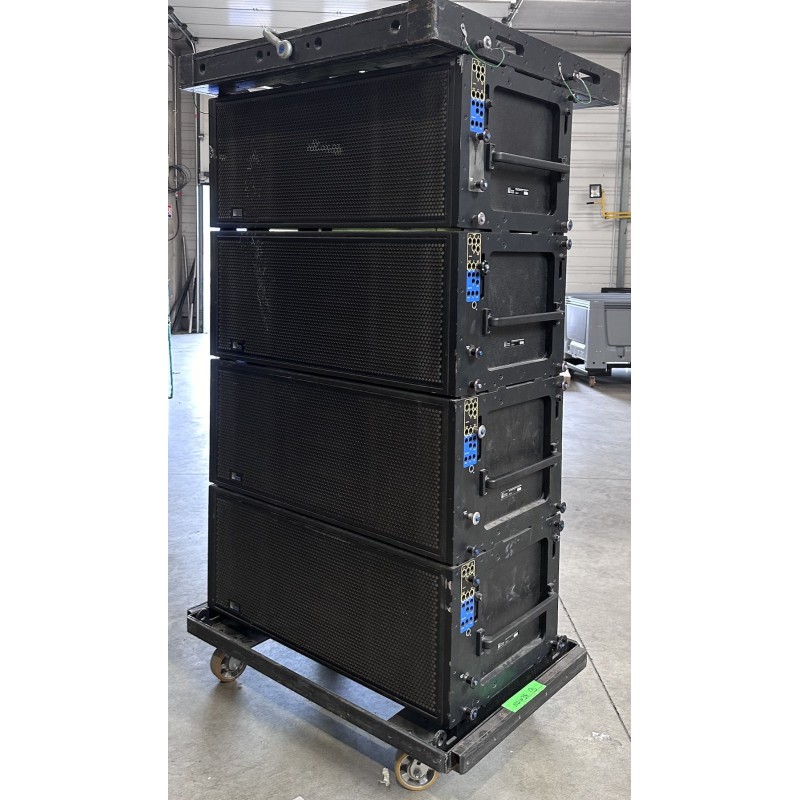
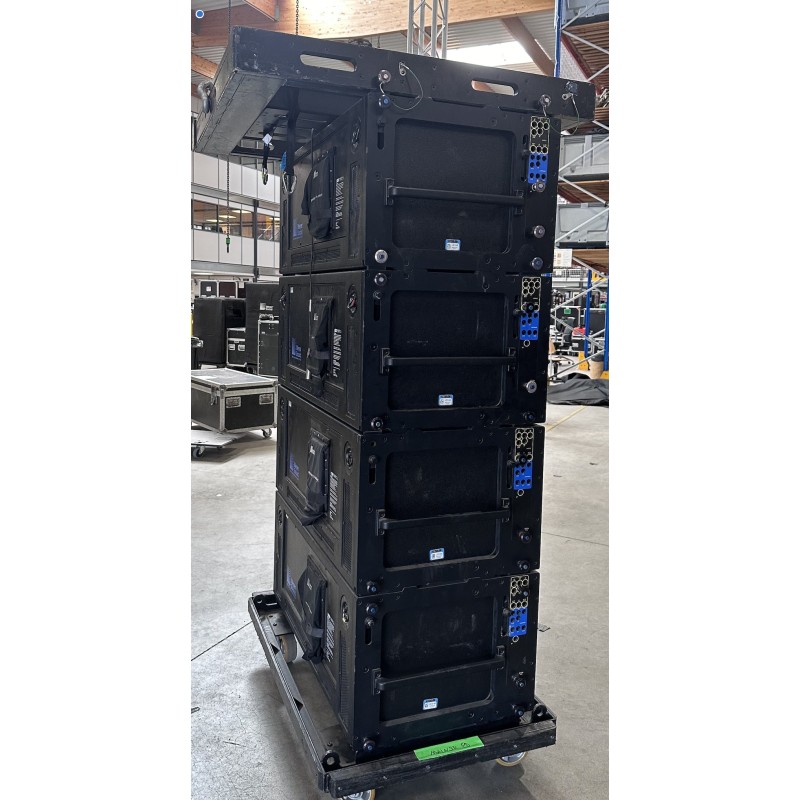
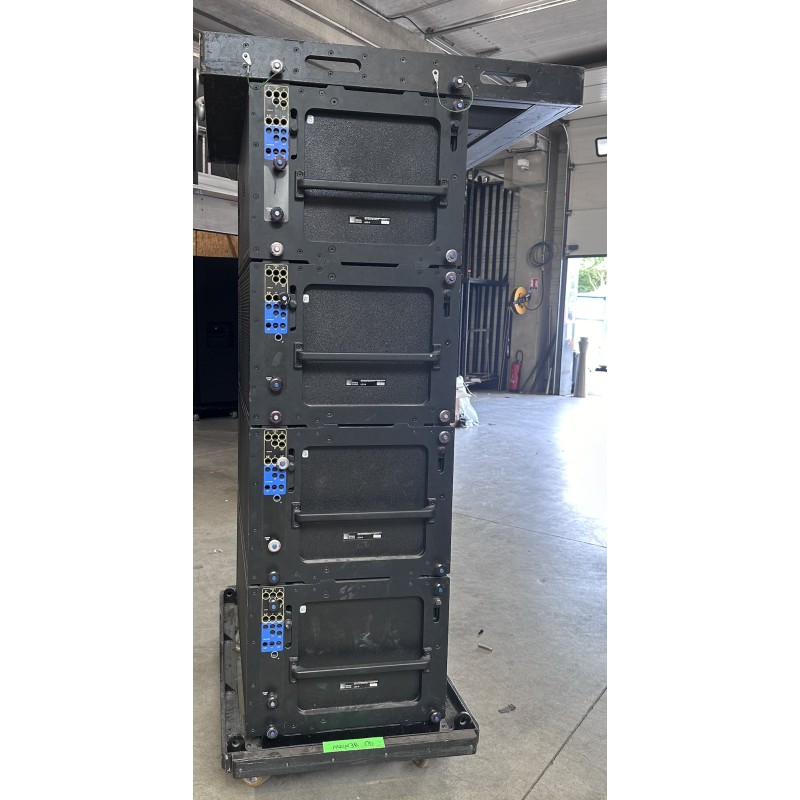
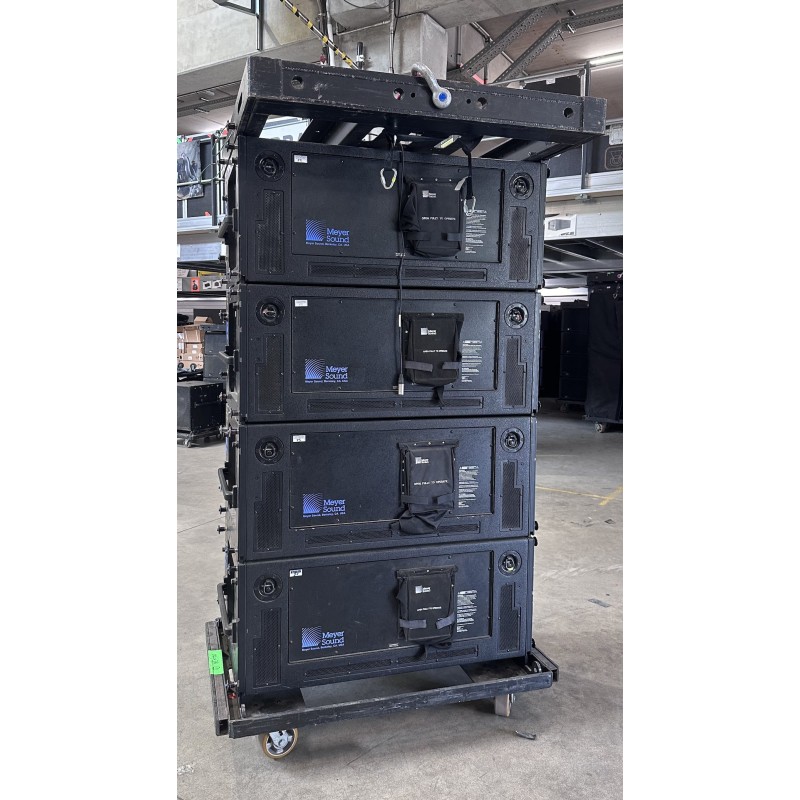
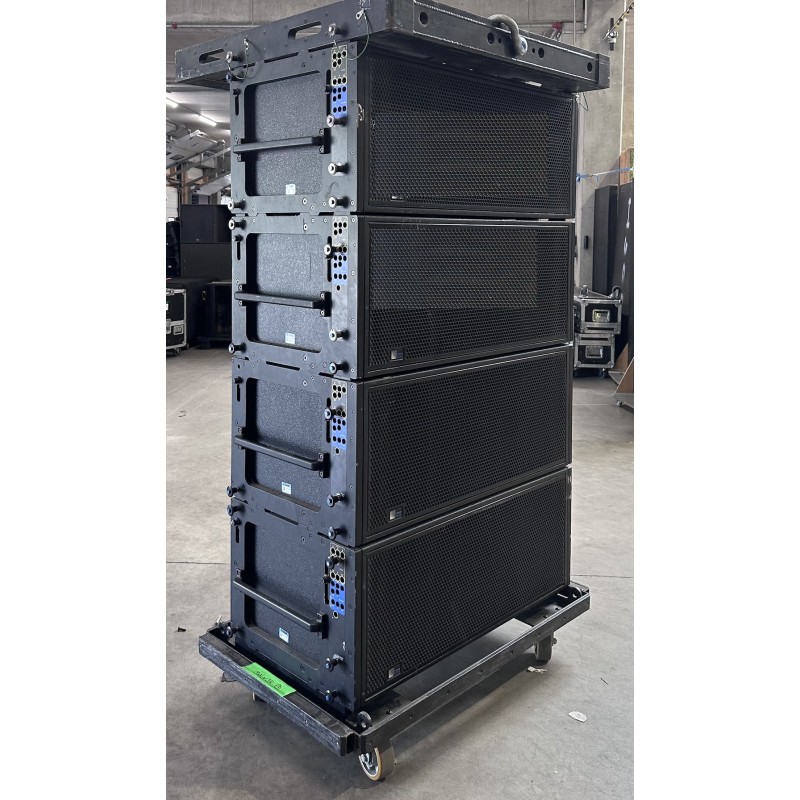
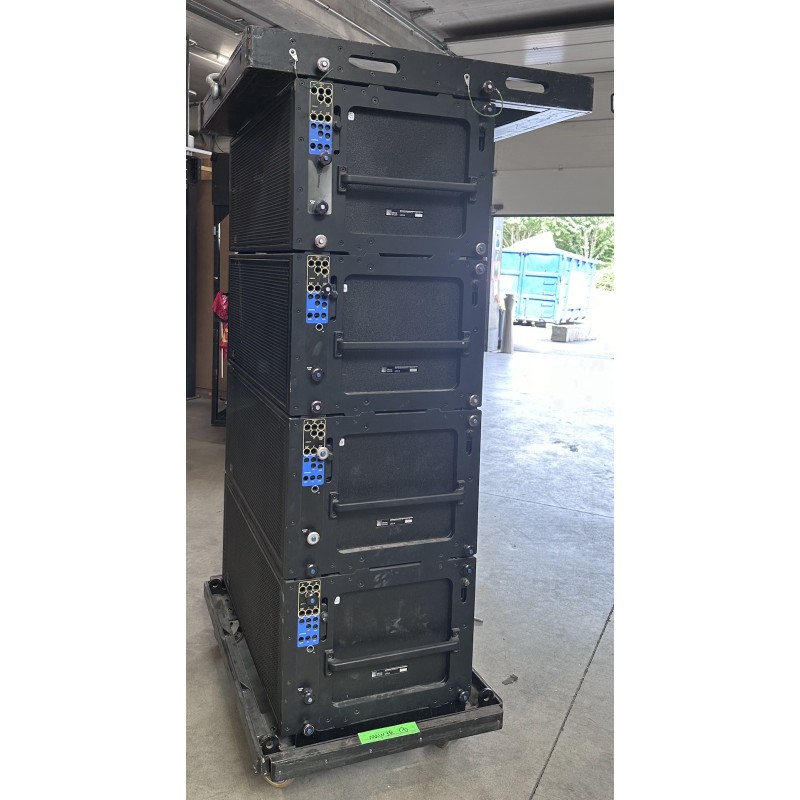
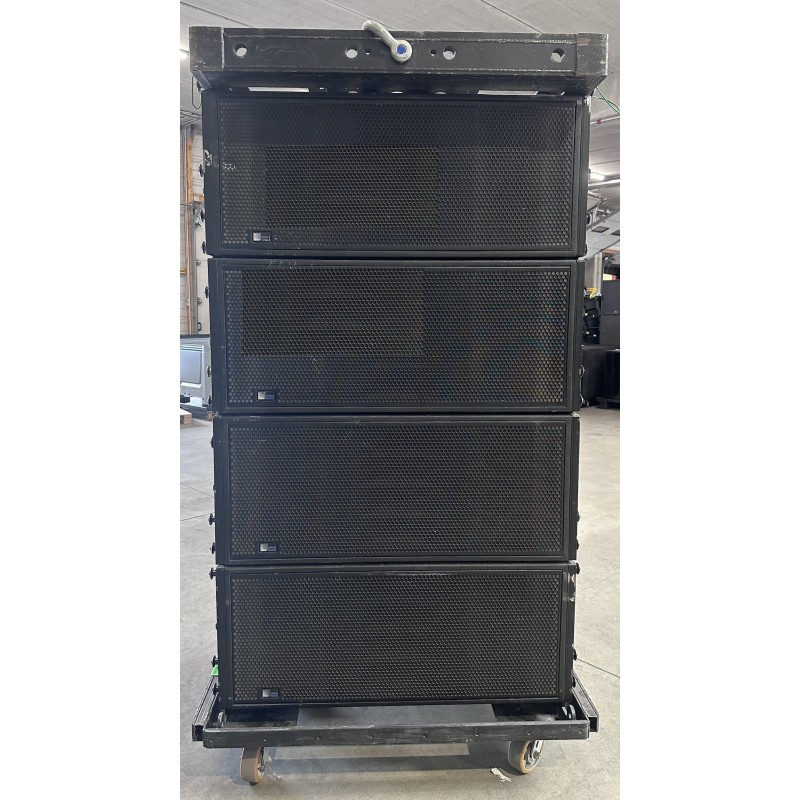
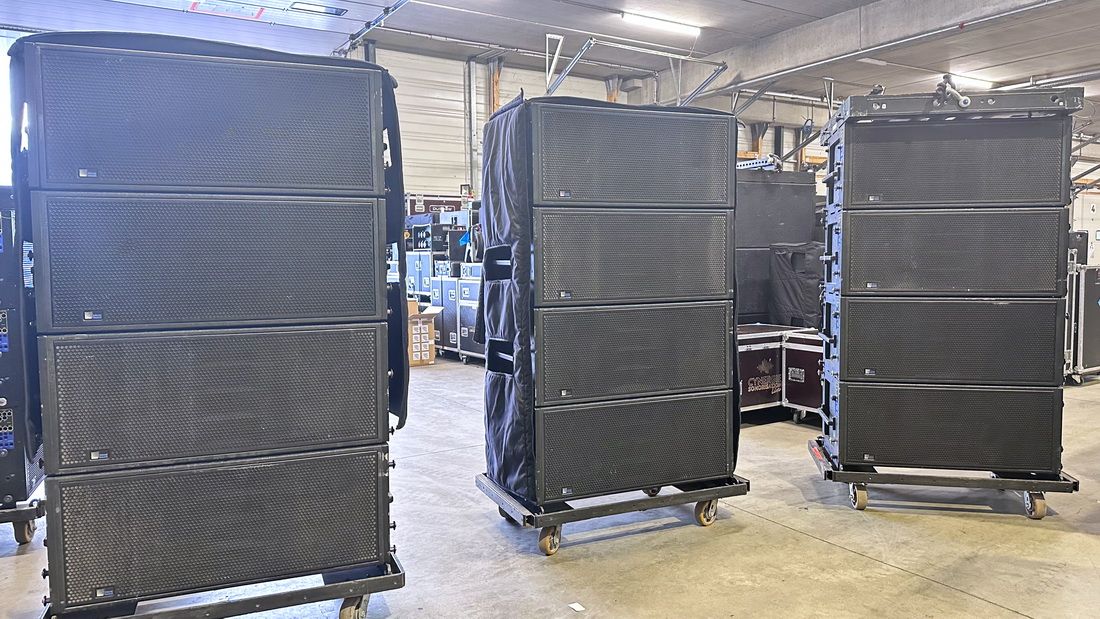
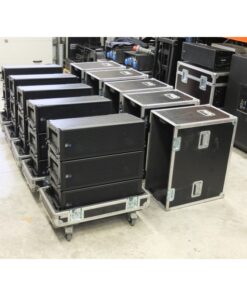
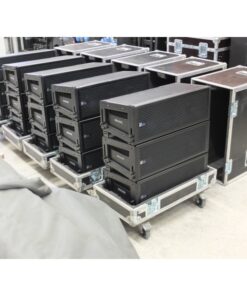
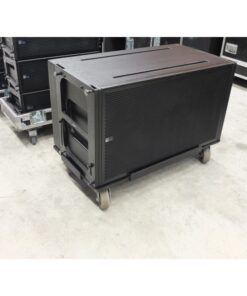
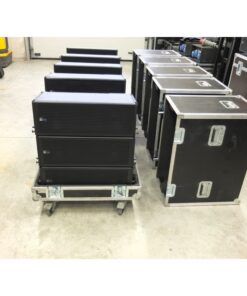
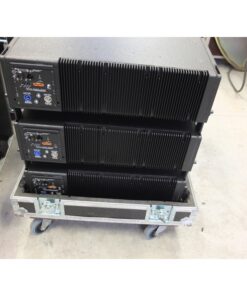
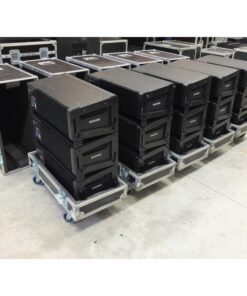
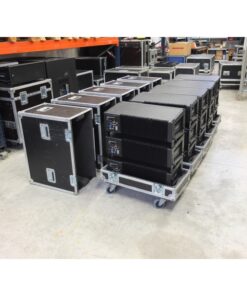
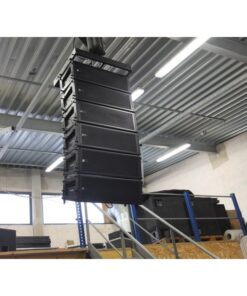
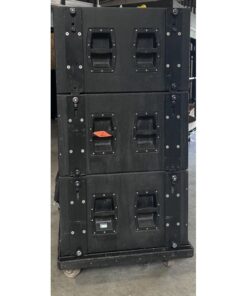
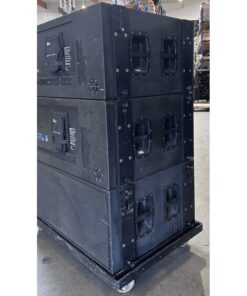
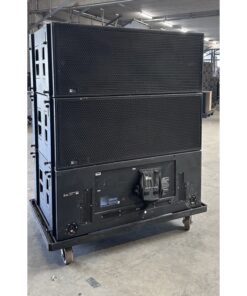
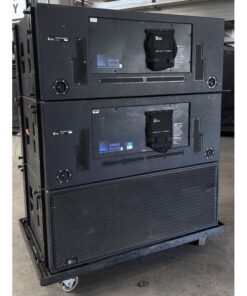
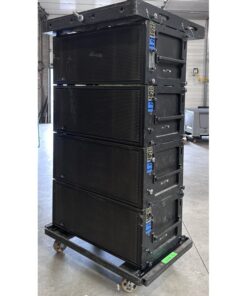
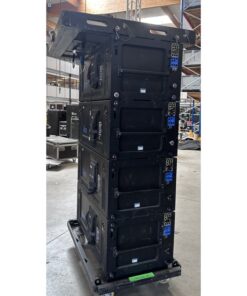
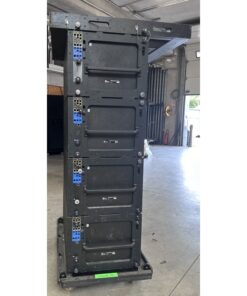
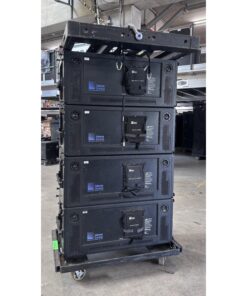
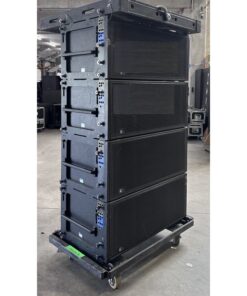
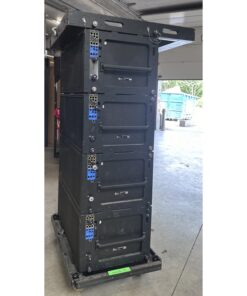
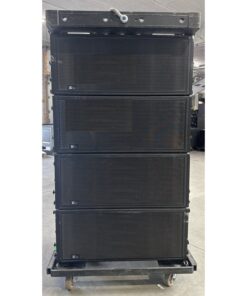
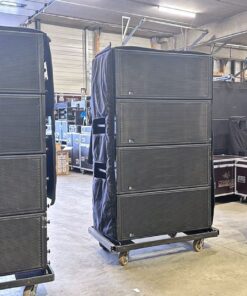
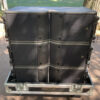
Meyer Sound LEO M, 1100-LFC, Galaxy
Original price was: €80,000.00.€55,000.00Current price is: €55,000.00.
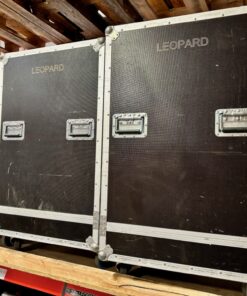
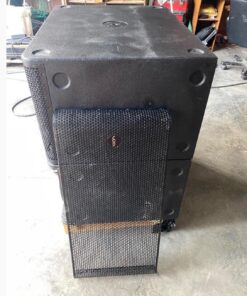
Meyer Sound LEO M, 1100-LFC, and Galaxy Overview
1. Meyer Sound LEO M
1.1 What It Is
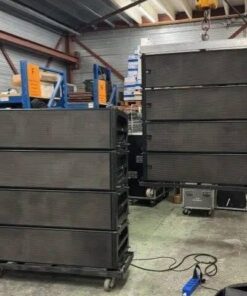
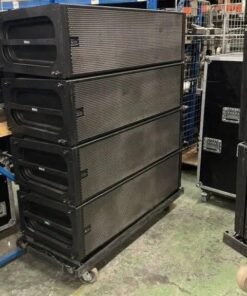
The LEO M is a self-powered linear line-array loudspeaker designed for large-scale sound reinforcement in arenas, stadiums, and tours. It delivers extremely high output with clarity and linearity, making it ideal for long-throw applications.
1.2 Key Specifications
-
Frequency Range: ~55 Hz – 16 kHz
-
Peak Output (SPL): Up to 149.5 dB (M-noise, referenced to 1 m)
-
Amplification: 3-channel MOSFET (class AB/H bridged)
-
Dimensions: 44.4 in (W) × 17.8 in (H) × 23 in (D)
-
Weight: ~265 lb (120 kg)
-
Rigging: Integrated “GuideALinks” system for adjustable splay angles
1.3 Usage
-
Forms the main mid/high array in a concert system
-
Often paired with downfill elements for near-field coverage
-
Typically used alongside 1100-LFC units for low-frequency reinforcement
2. Meyer Sound 1100-LFC
2.1 What It Is
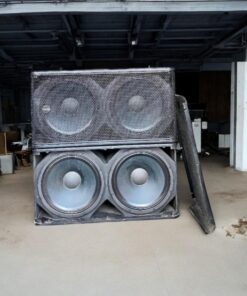
The 1100-LFC is a self-powered low-frequency control element (subwoofer). It extends system response down to 28 Hz and provides powerful, linear low-end energy for large venues.
2.2 Key Specifications
-
Operating Range: 28 Hz – 100 Hz
-
Frequency Response: 30 Hz – 85 Hz (±4 dB, half-space)
-
Peak Output (SPL): ~140 dB
-
Drivers: Two 18-inch long-excursion cone drivers
-
Amplification: 2-channel MOSFET (class AB/H bridged)
-
Power: Continuous ~10.5 A rms (230 V) / Burst ~18 A rms
-
Dimensions: 52.6 in (W) × 20.5 in (H) × 33 in (D)
-
Weight: ~249 lb (113 kg)
-
Rigging Options: Flyable, stackable, cardioid configurations
2.3 Usage
-
Provides sub-bass extension for line arrays like LEO M
-
Can be flown or ground-stacked
-
Often used in cardioid arrays to control bass directionality and reduce unwanted stage bleed
-
Features TruPower limiting and remote monitoring for reliability
3. Meyer Sound Galaxy (Galileo / GALAXY Network Platform)
3.1 What It Is
The GALAXY Network Platform (previously known as Galileo / Callisto) is Meyer Sound’s digital matrix and control system. It provides signal routing, delay, EQ, and system integration for Meyer’s self-powered loudspeakers.
3.2 Core Functions
-
Audio Routing / Matrixing: Distributes signals across multiple arrays or zones
-
Time Alignment: Ensures all speakers (LEO, subs, fills) remain phase-coherent
-
Processing: Parametric EQ, filters, crossovers, and shaping for different speaker models
-
Monitoring: Works with RMS for real-time diagnostics
-
System Integration: Manages hundreds of loudspeakers in large touring or fixed installations
3.3 Usage
-
Sits at the center of the system, managing LEO M arrays and 1100-LFC subs
-
Provides crossover management (e.g., LEO handing off around 100 Hz to the 1100-LFC)
-
Handles gain structure, delay alignment, and EQ for consistent coverage
4. How They Work Together
A full Meyer Sound system often looks like this:
-
LEO M modules are flown as the main array for mid and high frequencies.
-
1100-LFCs provide sub-bass reinforcement, flown or ground-stacked in various configurations.
-
Galaxy platform controls, routes, delays, and equalizes signals for all components.
-
System alignment is performed so that subs and arrays blend smoothly, with precise phase and timing.
-
Rigging and prediction software (like MAPP) ensure correct coverage and SPL distribution.
✅ In short:
-
LEO M = long-throw, high-output line array (mids/highs)
-
1100-LFC = powerful low-frequency control element (subs)
-
Galaxy = the brain of the system, managing processing, routing, and integration
Be the first to review “Meyer Sound LEO M, 1100-LFC, Galaxy”
Related products
Uncategorized
Uncategorized
Uncategorized
Reviews
There are no reviews yet.